
Today’s consumers are pretty darn savvy, and the most effective advertising to pique their interest shouldn’t look like advertising at all. By leveraging content marketing, you gain two distinct advantages over more traditional, obvious methods.
First, you’re far more likely to reach consumers actively looking for solutions to a problem — which is exactly how they found your content in the first place. Second, well-crafted content reads like helpful insight and expert guidance rather than a sales pitch, increasing the likelihood that audiences will view your brand as a trusted authority.
When people encounter your content marketing assets, they’re generally already exploring that topic. For example, if you’re selling workflow management tools, you might create a video, a detailed LinkedIn post, or a blog post discussing common bottlenecks to team efficiency. By providing an informed overview of these pain points and showing how your tool solves them, you position yourself as an expert and make the reader feel heard.
The results speak for themselves. In 2026, 87% of B2B marketers report that content marketing is their primary driver of brand awareness; 74% credit it with generating their highest-quality leads. To make it work for you, you need a robust tech stack that can handle the scale and precision today’s market requires.
What’s changed in our 2026 update:
11 new tools added:
- Notion
- Airtable
- Asana
- Surfer
- Sprout Social
- SegmentStream
- Cometly
- ActiveCampaign
- Beehiiv
- HeyGen
- Runway
What is a Content Marketing Tool?
Content marketing tools include the technology used to develop, manage, and scale your campaigns. These software programs can handle everything from ideation and AI-assisted drafting to automated distribution and deep-funnel analytics. Today’s tools are often agentic: Not only can they help you write, but they can proactively suggest content gaps, monitor competitor moves, tease out smaller content nuggets from longer pieces for multi-channel posting, and automate that multi-channel publishing schedule.
The 18 Best Content Marketing Tools for 2026
A great strategy is only half the battle. The other half is having a tech stack that can keep pace with the speed of today’s digital landscape. The best tools do more than help; they act as force multipliers for your team, automating the grunt work of formatting and distribution so you can focus on higher-level creativity and strategy.
Check out our list of the top 18 tools to elevate your content, organized by how they fit into your daily workflow. Whether you’re a solo founder or scaling an enterprise team, these platforms will turn your content from a cost center into a predictable revenue engine.
Content Planning and Organization
Notion
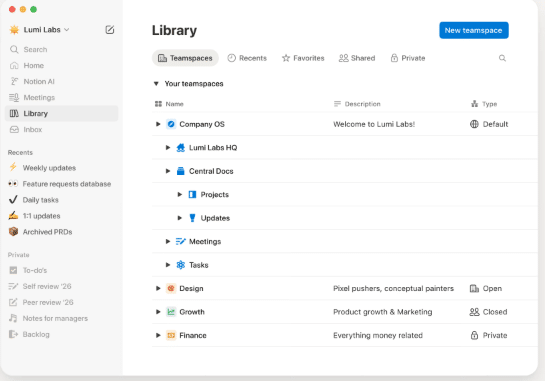
Notion is a flexible, all-in-one workspace that helps content teams stay organized by consolidating editorial calendars, workflows, and asset libraries into one collaborative hub. It’s great for teams that want to build bespoke programs rather than be forced into rigid structures. You can track a project from a raw idea in a brief to its final publication status on a Kanban board.
Cost: Free (individuals); Plus – $10 per user a month (small teams); Business – $20 per user a month (advanced features); Enterprise – custom pricing.
Source: Notion
Airtable
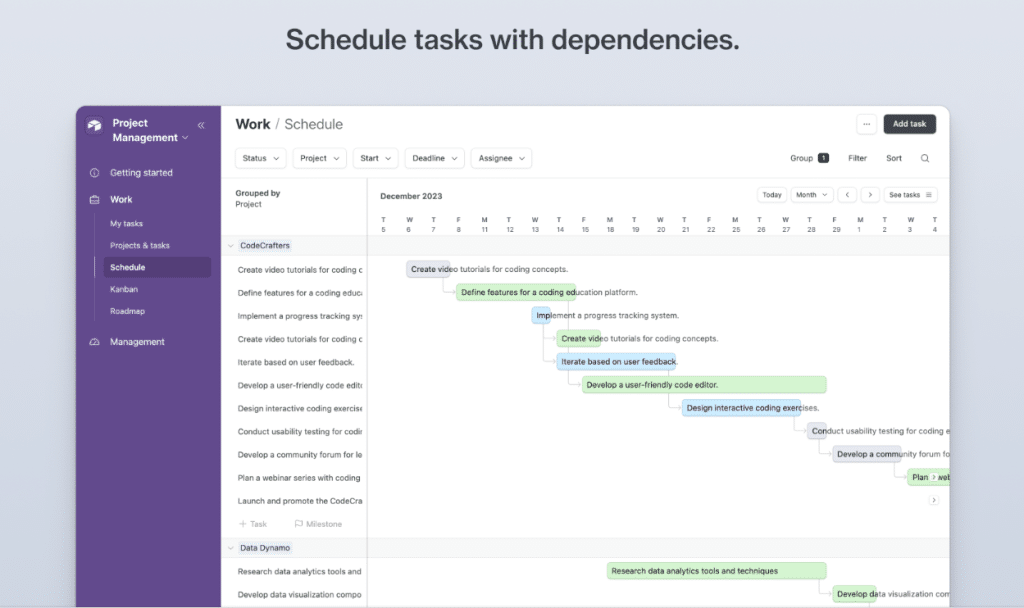
This connected apps platform functions as a high-powered relational database, allowing marketing teams to build custom internal applications that sync data across departments. Airtable uses linked records and automated workflows to create a single source of truth, where a status change in a content calendar can automatically notify stakeholders or update a real-time executive dashboard.
Cost: Free (up to five editors and 1,000 records); Team – $20 per user a month; Business – $45 per user a month (includes two-way sync and verified data); Enterprise – custom pricing.
Source: Airtable
Asana
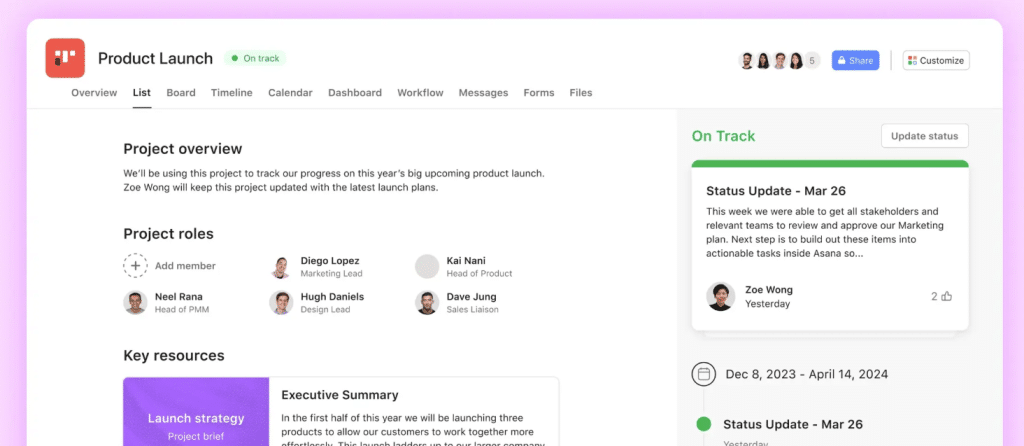
This sophisticated project management platform excels at orchestrating complex, multi-stage content workflows across departments. Its Asana Intelligence features automate repetitive tasks, like status updates and resource allocation. Goal tracking ties every blog post, social post, and white paper to higher-level company objectives and key results (OKRs).
Cost: Personal – free (individuals/small teams); Starter – $10.99 per user a month; Advanced – $24.99 per user a month; Enterprise – custom pricing.
Source: Asana
AI and SEO Strategy Tools
Semrush
Semrush is the undisputed heavyweight for all-in-one search engine optimization (SEO) and market intelligence. Depending on the plan you choose, you can take advantage of the company’s integrated Semrush One suite, which combines classic SEO content optimization tools with AI visibility toolkits to benchmark competitors; identify new keywords, prompts, and visibility opportunities; measure your brand across discovery surfaces; and simplify your workflow.
Cost: Starter – $199 a month; Pro+ – $299 a month; Advanced – $549 a month.
Source: 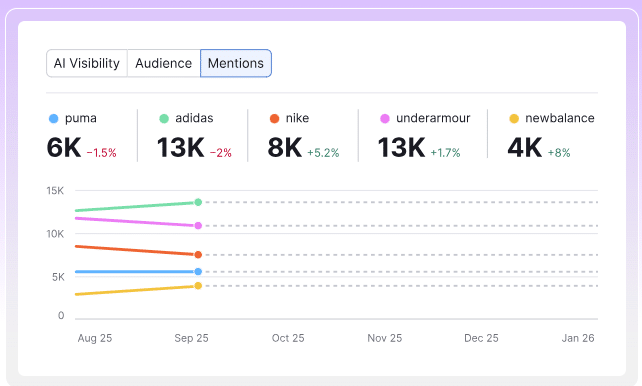
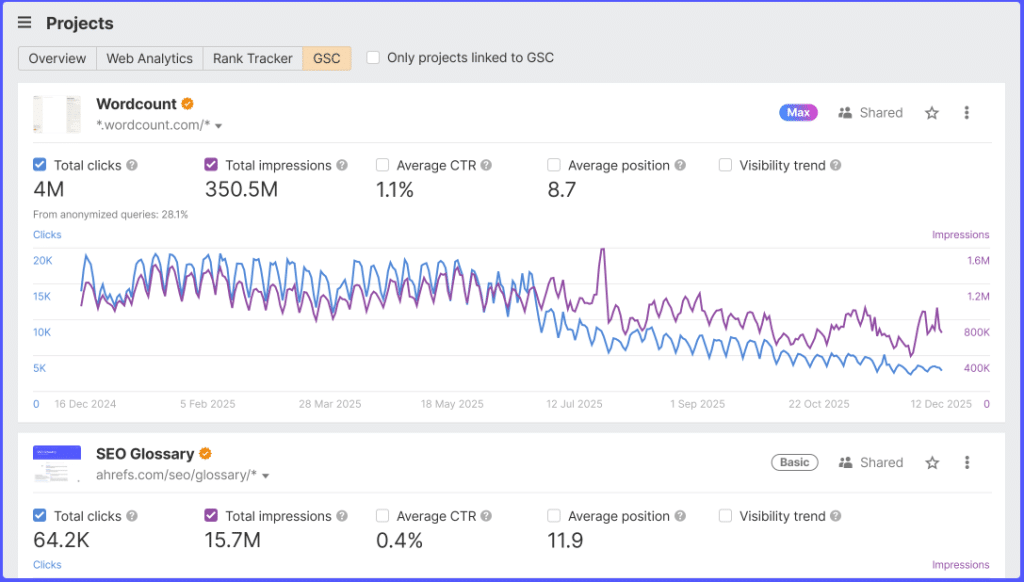
Ahrefs
Ahrefs is a top SEO platform for B2B and e-commerce professionals who require granular data on backlinks, competitor content gaps, and search intent. Its content explorer acts as a specialized search engine for marketers, indexing billions of pages to reveal which topics are gaining traction, earning shares, and securing high-authority links.
Cost: Lite – $129 a month; Standard – $249 a month; Advanced – $449 a month.
Source: Ahrefs
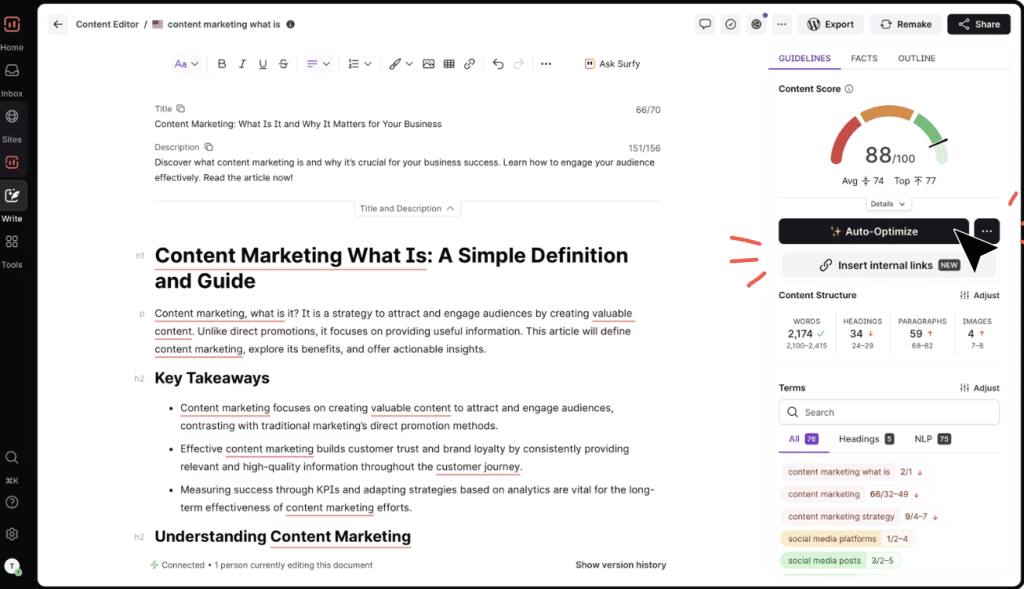
Surfer SEO
This tool uses real-time search engine results page (SERP) analysis to assign your writing a content score, ensuring your articles are semantically relevant enough to rank. It features an AI assistant that can research, outline, and write SEO-ready drafts in seconds. Its audit tool identifies specific missing keywords and internal linking opportunities to improve the performance of existing content.
Cost: Standard – $99 a month; Pro – $182 a month; Peace of Mind – $299 a month.
Source: Surfer SEO
Social Media and Community Management
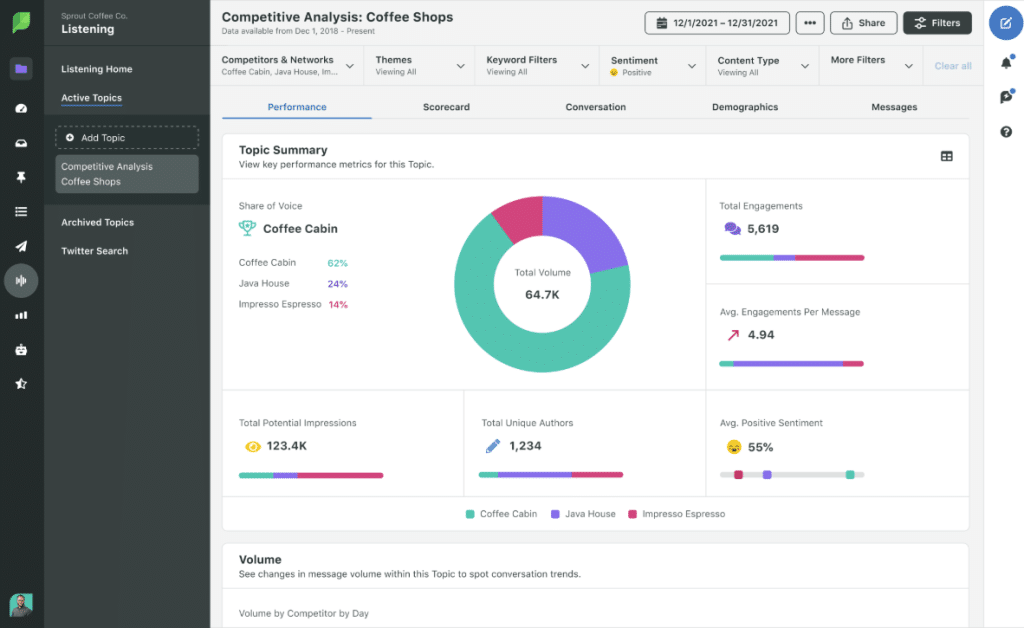
Sprout Social
This professional-grade platform is perfect for social management, bridging the gap between social engagement and business intelligence. Its social listening capabilities allow brands to track sentiment across niche communities, and it automatically categorizes incoming messages to streamline customer support and turn social engagement into measurable ROI.
Cost: Standard – $199 per seat a month; Professional – $299 per seat a month; Advanced – $399 per seat a month; Enterprise – custom pricing.
Source: SproutSocial
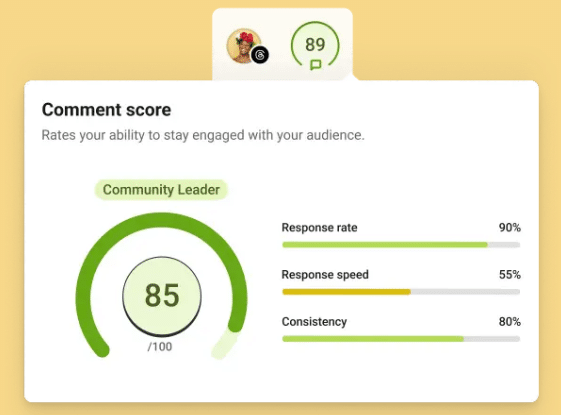
Buffer
Buffer is the best choice for lean teams that want simplicity. The platform allows you to schedule content across all major platforms with a usage-based model that grows only when your channel list expands. You can use its AI assistant to repurpose a core idea into the specific language and format of different platforms, turning a long-form LinkedIn post into a TikTok script in seconds.
Cost: Free (three channels); Essentials – $5 a month per channel; Team – $10 a month per channel.
Source: Buffer
Hootsuite
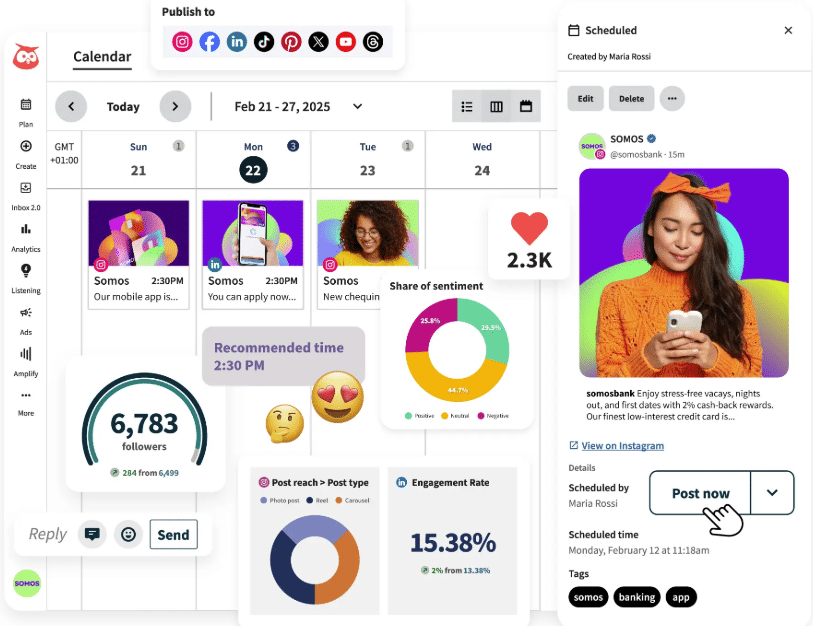
This comprehensive social media command center uses Blue Silk AI to automate content ideation, scheduling, and multi-platform inbox management. It’s great at social listening, distilling billions of conversations into real-time trend reports that help brands pivot their strategy before a cultural shift peaks.
Cost: Standard – $199 a month (one user, 10 accounts); Advanced – $399 a month (unlimited accounts, team approvals); Enterprise – custom pricing.
Source: Hootsuite
Analytics and Attribution Tools
Google Analytics 4 (GA4)
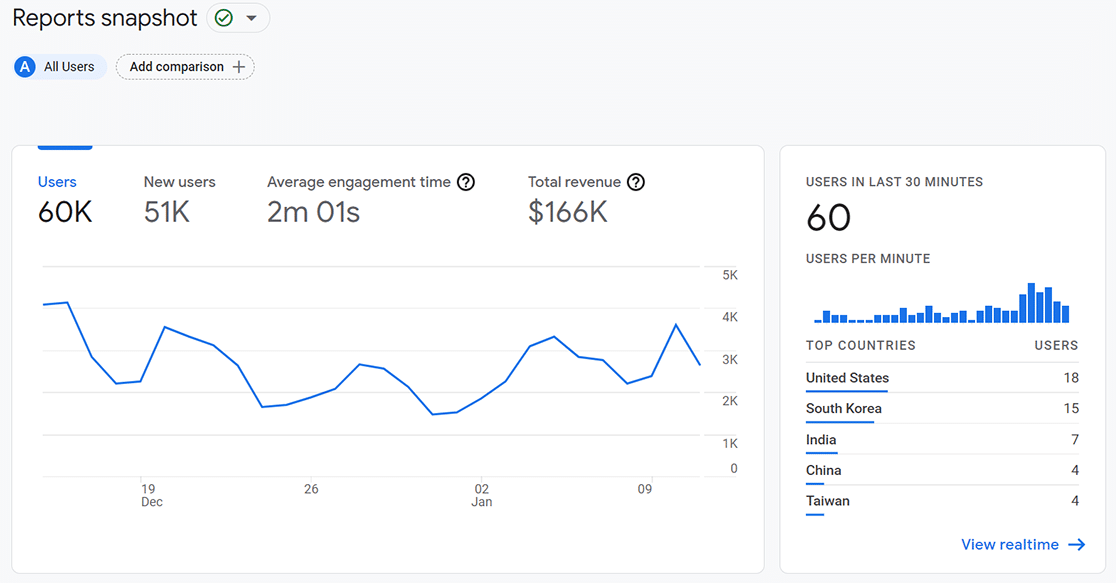
The essential foundation for any content stack, GA4 tracks deep-funnel user journeys and conversion events using an advanced, AI-powered event model. The platform serves as a predictive engine, offering built-in cross-channel budgeting and automated form interaction tracking to help teams forecast ROI.
Cost: Free (standard); GA4 360 starting price – $50,000 annually.
Source: MonsterInsights
SegmentStream
This B2B multi-touch attribution platform uses AI-powered predictive modeling to measure the incremental value of every marketing touchpoint, even across long, complex sales cycles. Unlike standard customer relationship management (CRM) tools, it provides methodology, transparency, and first-party data ownership for teams who must prove how top-of-funnel content eventually drives bottom-line revenue.
Cost: Custom pricing based on ad spend and data volume.
Source: 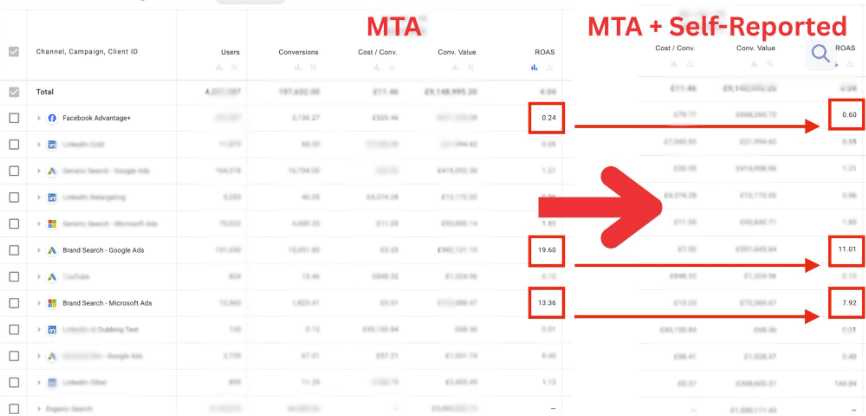
Cometly
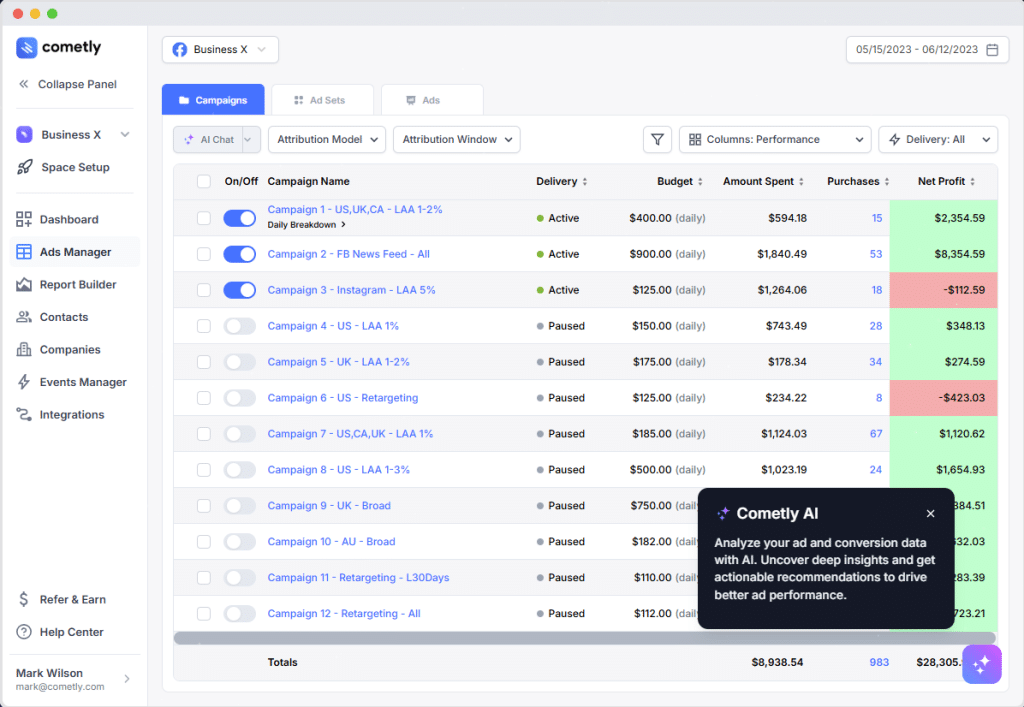
Cometly is an ad attribution and marketing intelligence platform that solves the tracking gap created by privacy updates and the phase-out of third-party cookies. Content marketers running paid campaigns should consider this platform because it uses first-party data to connect each click to a specific lead or sale. Teams can see exactly which blog post or social ad is driving revenue in real-time.
Cost: Contact for information.
Source: Cometly
Email and Newsletter Marketing
Mailchimp
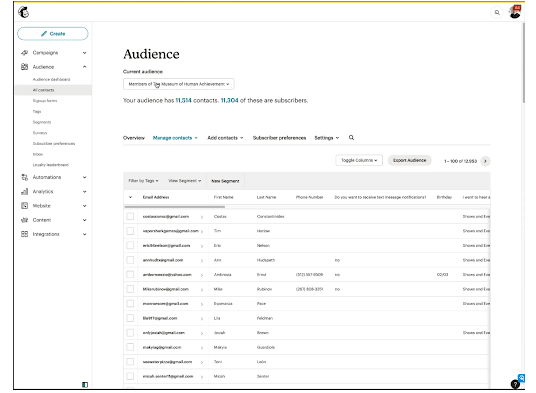
This veteran email marketing platform has evolved into an AI-driven all-in-one commerce engine. It includes a content optimizer to analyze your drafts against industry benchmarks and suggest real-time improvements for better engagement. It’s good at omnichannel orchestration, allowing small teams to unify email, SMS, and e-commerce data (like Shopify) into a single dashboard to track how each message drives revenue.
Cost: Free (up to 250 contacts/500 sends); Essentials – starts at $13 a month; Standard – starts at $20 a month; Premium – starts at $297.50 a month.
Source: Mailchimp
ActiveCampaign
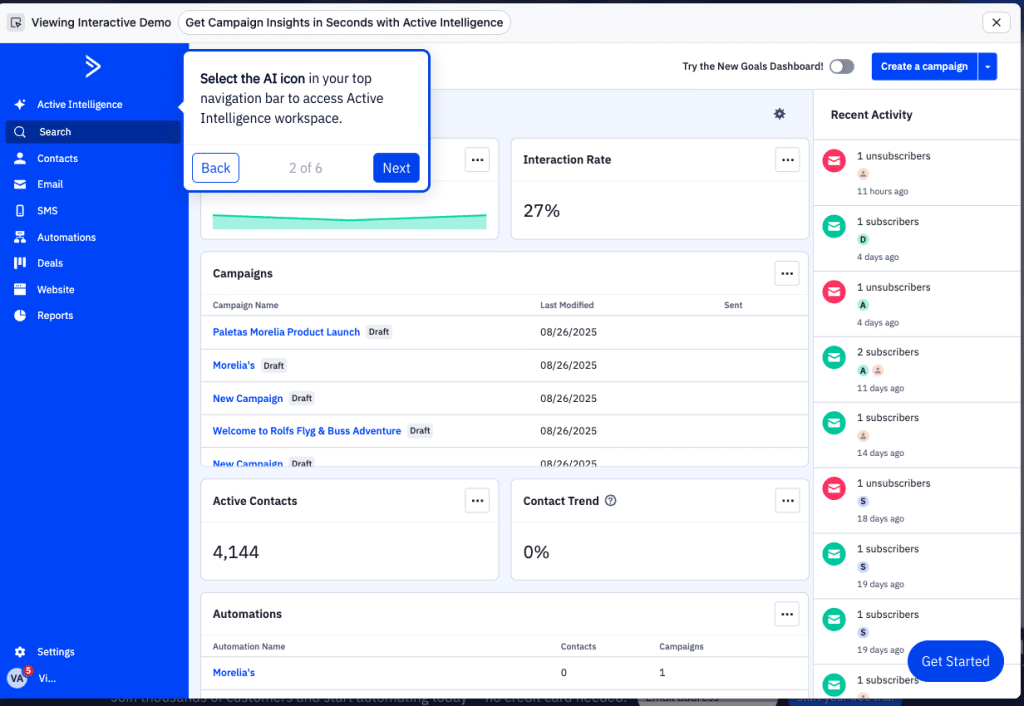
ActiveCampaign is an integrated marketing automation platform that combines email marketing, CRM, and sales automation into one cohesive engine. It uses AI to create hyper-personalized journeys by predicting the best time to send a message or trigger a specific content offer, based on a user’s individual behavior across your site.
Cost: Starter – $15 a month; Plus – $49 a month; Pro – $79 a month; Enterprise – $145 a month.
Source: ActiveCampaign
beehiiv
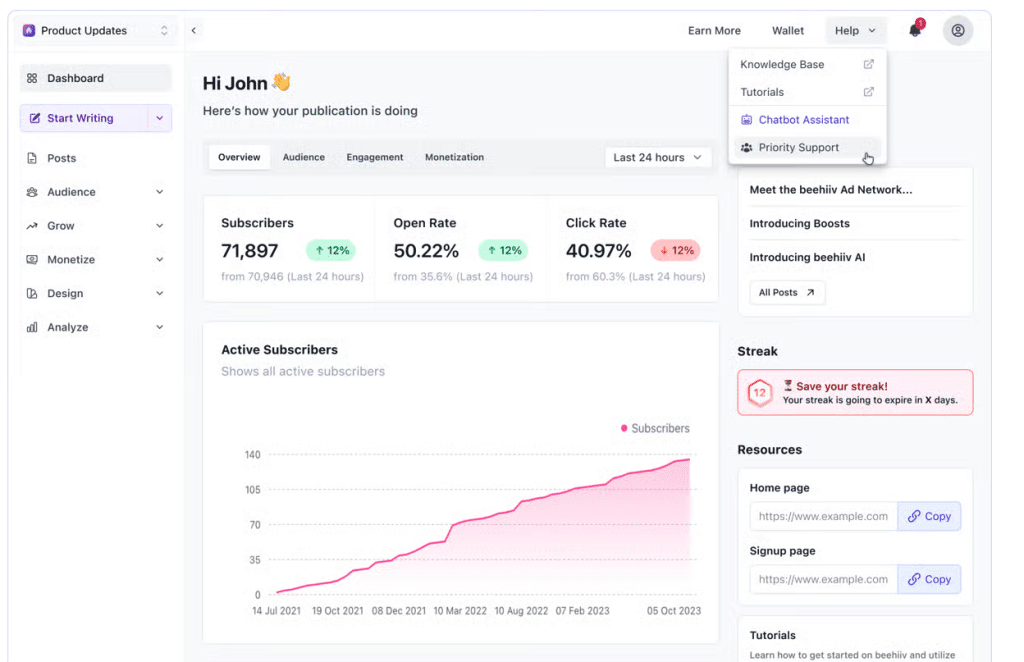
Built by the early team behind Morning Brew, beehiiv is one of the fastest-growing newsletter platforms designed for content creators and media brands. It includes built-in ad networks and referral programs, allowing you to monetize your content as soon as you hit 1,000 subscribers.
Cost: Launch – free (up to 2,500 subscribers); Scale – $43 a month; Max – $96 a month.
Source: beehiiv
Video and Visual Creation
HeyGen
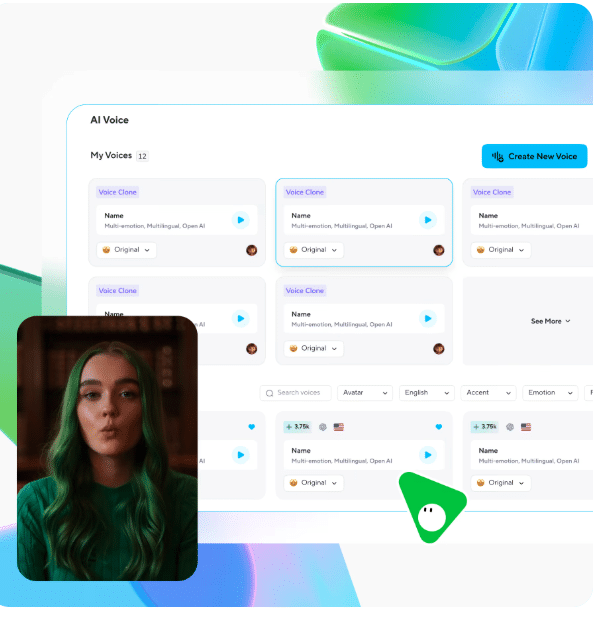
A leader in AI-generated video, HeyGen lets you create an AI avatar to deliver personalized video messages or explainers — a trend that has become popular in SaaS onboarding in 2026. You don’t need a camera, crew, or expensive equipment to create these professional, studio-quality videos.
Cost: Free (one credit); Business – $149 a month; Enterprise – custom pricing.
Source: HeyGen
Runway
For professional-grade AI video production, you can’t go wrong with Runway. The platform allows you to generate cinematic B-roll or edit footage with simple text prompts, drastically cutting traditional production costs. The Gen-3 Alpha and Gen-4 Turbo models let you control camera movement, lighting, and object motion.
Cost: Standard – $12 per user a month; Pro – $28 per user a month; Unlimited – $76 per user a month.

Source: Vidnoz
Canva
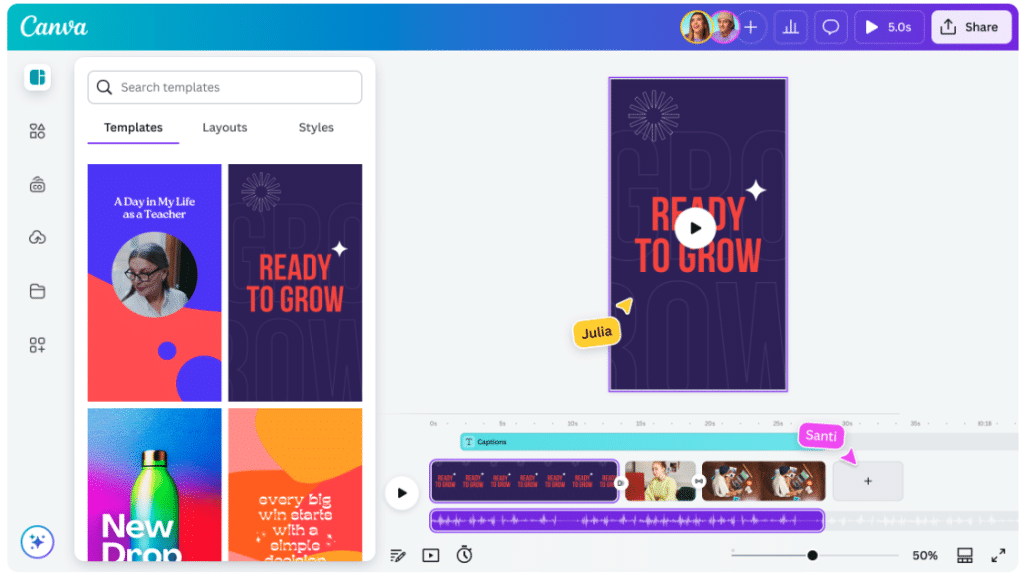
The essential creative hub for any marketer, Canva’s comprehensive visual suite allows you to create everything from social graphics to professional video presentations. Its Magic Studio lets you remove backgrounds, generate images from text, and resize a single design for every social platform with a single click.
Cost: Free; Pro – $15 per user a month; Teams – $10 per user a month (minimum of three users).
Source: Canva
How to Choose the Right Content Marketing Tools
When choosing your stack, look at interoperability as well as features. Use these three criteria to decide:
- Does it integrate? A tool is only useful if it talks to your CRM and analytics. Avoid data silos.
- Is the AI agentic? Look for tools that don’t merely suggest text but actually execute tasks like monitoring competitor prices or flagging churn risks automatically.
- Does it match your scale? Solo founders (or solopreneurs) should stick to the minimum viable stack (e.g., Canva + Buffer + beehiiv). B2B teams should invest in revenue attribution tools like HockeyStack to justify their budget.
In addition to these tools, you must also consider performance marketing — the data-driven discipline of paying only for measurable results like leads, sales, or sign-ups. The industry has shifted away from manual management toward autonomous performance engines that handle the heavy lifting of bidding and optimization.
Enter Realize, the next-generation performance advertising platform, built to deliver outcomes at scale beyond the walled gardens of search and social. It leverages an advanced AI engine and deep code-on-page integration across the world’s most trusted publishers (like NBC, MSN, and Apple News) to find and convert high-intent audiences when they’re most receptive.
The platform includes:
- Smart bidding strategies.
- Optimization for engagement.
- A performance simulator.
- SpendGuard.
- Improved matchmaking.
To stay ahead, do your stakeholders (and your bottom line) a favor: Don’t settle for a single tool. Build a dynamic ecosystem that balances the creative power of AI with the surgical precision of performance platforms like Realize. Whether you automate your social reach with Hootsuite or scale high-intent conversions via automated bidding, the right mix will help you cut through the noise, build genuine connections, and hit your growth goals.


